


The ecommerce landscape in 2026 is no longer just about “selling online.” It’s about positioning, trust, differentiation, and emotional connection.
Buyers are smarter. They compare faster. They care about sustainability, authenticity, health, and value. The sellers who win are not the ones with the most products — but the ones who pick the right categories and tell the right story.
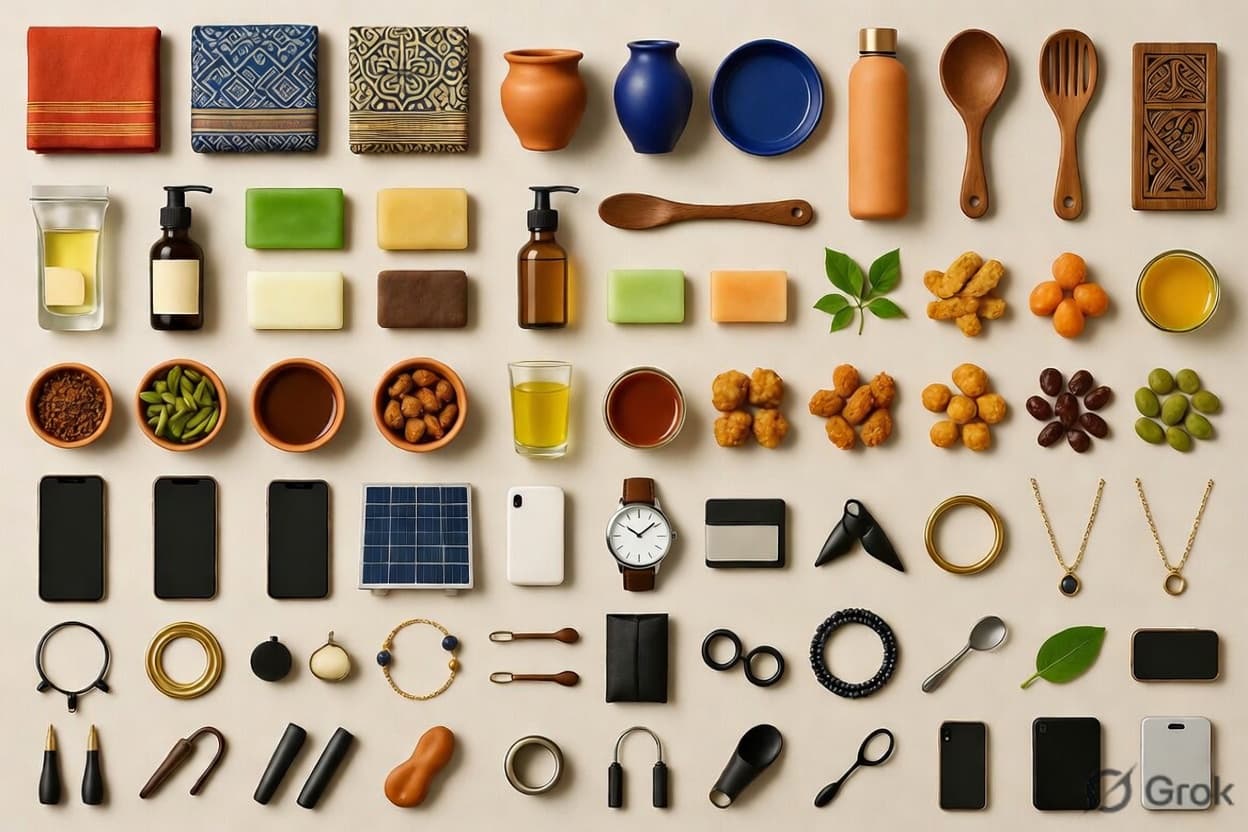
Here are 50 product categories that are poised to perform strongly in 2026 — along with why they matter.
Traditional Handicrafts
Traditional categories are seeing a revival — but with modern branding. When positioned correctly, these are high-margin and story-driven products.
Textiles and Fabrics
Handwoven Khadi – Sustainable, breathable, and rooted in slow fashion. Appeals strongly to eco-conscious urban buyers.
Block-printed fabrics – Every piece is slightly unique, which increases perceived authenticity and premium value.
Silk sarees – Evergreen wedding and festive category with high average order value.
Cotton kurtas – Comfortable daily wear with strong repeat purchase potential, especially in summer.
Pottery and Ceramics
Terracotta planters – Urban gardening is growing rapidly. Eco-friendly planters are functional and aesthetic.
Blue pottery – Heritage-driven decor products that work well in premium positioning.
Ceramic dinnerware – Instagram-friendly category. Strong visual appeal drives impulse buying.
Clay water bottles – Plastic-free hydration trend makes this a health-forward product.
Wooden Crafts
Carved furniture – Premium handcrafted items with strong storytelling appeal.
Wooden toys – Safe, non-toxic alternatives to plastic toys. Strong demand among young parents.
Wooden kitchen utensils – Sustainable alternatives to plastic and silicone tools.
Decorative wooden items – Affordable rustic decor products with gifting potential.
Ayurvedic Products
Health and wellness continue to grow as a category. Trust, transparency, and ingredient clarity are critical here.
Skincare and Beauty
Herbal face packs – Clean beauty trend supports repeat purchases.
Ayurvedic oils – Hair oils, body oils, and therapeutic oils perform well when positioned by benefit.
Natural soaps – High-margin, giftable, and subscription-friendly.
Hair care products – Hair fall and damage solutions remain evergreen.
Health and Wellness
Herbal supplements – Immunity and preventive health are long-term trends.
Traditional medicines – Demand increases when supported with proper compliance and transparency.
Organic honey – Purity-driven buying. Strong domestic and export demand.
Herbal teas – Wellness-focused daily consumption product.
Food & Beverages
Trust-based categories with strong repeat purchase potential.
Spices and Condiments
Organic spices – Transparency in sourcing builds loyalty.
Spice blends – Convenience-driven product with strong regional branding opportunities.
Pickles and chutneys – Emotion-led buying. Nostalgia and homemade positioning work well.
Cold-pressed oils – Positioned as nutrient-rich alternatives to refined oils.
Sweets and Snacks
Traditional sweets – High seasonal demand during festivals.
Healthy snacks – Growing demand among fitness-conscious consumers.
Dry fruits – Premium gifting and bulk purchase category.
Regional specialties – Hyper-local delicacies attract diaspora markets.
Modern Innovations
Modern buyers are blending tradition with technology.
Tech-Enabled Products
Smart home devices – Affordable automation for middle-class households.
Mobile accessories – Fast-moving category driven by trends and replacements.
Solar products – Sustainability-driven demand across urban and rural markets.
Electric vehicles – Long-term growth sector driven by cost savings and policy support.
Fashion and Lifestyle
Sustainable fashion – Transparency and eco-conscious branding matter more than discounts.
Yoga accessories – Wellness-focused category with global appeal.
Home decor – Aesthetic-driven impulse purchases, supported by social media.
Jewelry – High-margin category where exclusivity increases perceived value.
Seasonal Trends
Seasonality creates predictable demand spikes.
Festival Specials
Diwali decorations – Strong annual sales opportunity.
Holi colors – Natural and skin-safe variants gaining preference.
Rakhi collections – Emotional, gifting-driven purchases.
Wedding accessories – Large market with high-margin potential.
Seasonal Products
Summer coolers – Climate-driven demand in many regions.
Monsoon gear – Functional necessity category.
Winter wear – Regional demand variation but strong seasonal spike.
Spring collections – Fresh launches drive renewed engagement.
Emerging Categories
These are leverage categories with long-term upside.
Health and Fitness
Fitness equipment – Home workout culture remains strong.
Nutrition products – Protein, supplements, and performance nutrition.
Mental wellness products – Journals, aromatherapy, and stress-relief tools.
Elderly care products – Growing demand with aging population.
Final Recommendations
Subscription boxes – Recurring revenue model with higher customer lifetime value.
Digital products – Online courses, templates, and downloadable content with zero inventory costs.
Market Insights for 2026
Several macro trends are shaping product demand:
- Growing preference for sustainable and eco-friendly alternatives
- Rising disposable income in Tier 2 and Tier 3 cities
- Increased online adoption across age groups
- Buyers prioritizing authenticity and transparency
The opportunity is not just in selling what is trending — but in selecting a focused niche and building authority within it.
How to Choose the Right Product Category
Instead of chasing every trend:
- Pick a category where you can build differentiation
- Ensure reliable sourcing and consistent quality
- Focus on storytelling and trust-building
- Prioritize repeat-purchase potential
- Build long-term customer relationships
The future of ecommerce belongs to sellers who combine authenticity, positioning, and consistent execution.
2026 will reward clarity over chaos.